Women’s economic empowerment isn’t just a noble goal—it’s an urgent necessity for national progress. In countries like the Philippines, where gender gaps in labor participation persist, unlocking women’s full economic potential could transform entire economies. Imagine a future where every woman has the opportunity to contribute her skills, ideas, and labor without systemic barriers. The result? Explosive economic growth, resilient communities, and a society that thrives from the ground up. Yet, this isn’t a far-off dream. It is a real, attainable future—but only if we choose to prioritize women’s full inclusion in economic life. This is not just a matter of ethics or social justice. It’s a matter of economic strategy. Women are not a “niche” demographic; they are half the population. When half the workforce is marginalized or underutilized, no country can afford to expect sustained growth or shared prosperity. The Billion-Dollar Case for Women’s Economic Inclusion Let’s talk numbers. According to the World Bank, increasing women’s labor participation in the Philippines by just 0.5 percentage points per year could boost the nation’s GDP per capita by 6% by 2040 and nearly 10% by 2050. That translates to an additional $70 billion in GDP by 2040 and $190 billion by 2050—a staggering economic windfall that we cannot afford to ignore. On a global scale, closing the gender gap in economic participation could inject an astonishing $7 trillion into the world economy (UN Women). And this isn’t just about increasing labor force numbers. Empowered women launch businesses, lead companies, innovate, and create jobs. They add value at every level of the economy. Moreover, countries that lead in gender-inclusive economic policies tend to be more resilient in times of crisis. Women’s increased participation creates a diversified workforce, enhances productivity, and builds broader tax bases to support national development. In short, women aren’t just participants—they are economic multipliers. Women as Engines of Sustainable Development Beyond GDP, women’s financial empowerment creates a ripple effect that lifts entire families and communities. Studies show that when women have control over their own income, they reinvest up to 90% of it back into their families—compared to just 30-40% for men (UNDP). This means better education for children, improved healthcare, and greater food security. The ripple doesn’t stop there. Empowered women also drive progress in nutrition, environmental sustainability, and intergenerational wealth-building. They are more likely to prioritize clean water, safe housing, and community health—core pillars of national development. In rural areas, economically active women farmers improve food security not just for their households, but for entire communities. In urban centers, women-run enterprises bring diversity, innovation, and resilience to local economies. Women and the Road to AmBisyon Natin 2040 Empowering women isn’t just about fairness—it’s about strategic economic growth. If the Philippines wants to reach its vision of becoming an upper-middle-income country under AmBisyon Natin 2040, investing in women’s economic empowerment is non-negotiable. This vision cannot be achieved with half the population economically sidelined. As noted in the World Bank’s Country Partnership Framework for the Philippines (FY2020-FY2025), boosting women’s productivity and economic participation is key to building a more inclusive and prosperous society. We must ask ourselves: Can we truly speak of nation-building while ignoring the very builders at its foundation? Women’s economic empowerment is not a side issue—it is the issue. It sits at the intersection of economic growth, social justice, and sustainable development. If we are serious about building a strong, inclusive nation, then we must be serious about creating systems that allow women to thrive. The data is there. The benefits are clear. What we need now is collective will—from policymakers, business leaders, civil society, and every citizen who believes in a better, more equal future for all.
Category Archives: NEWS
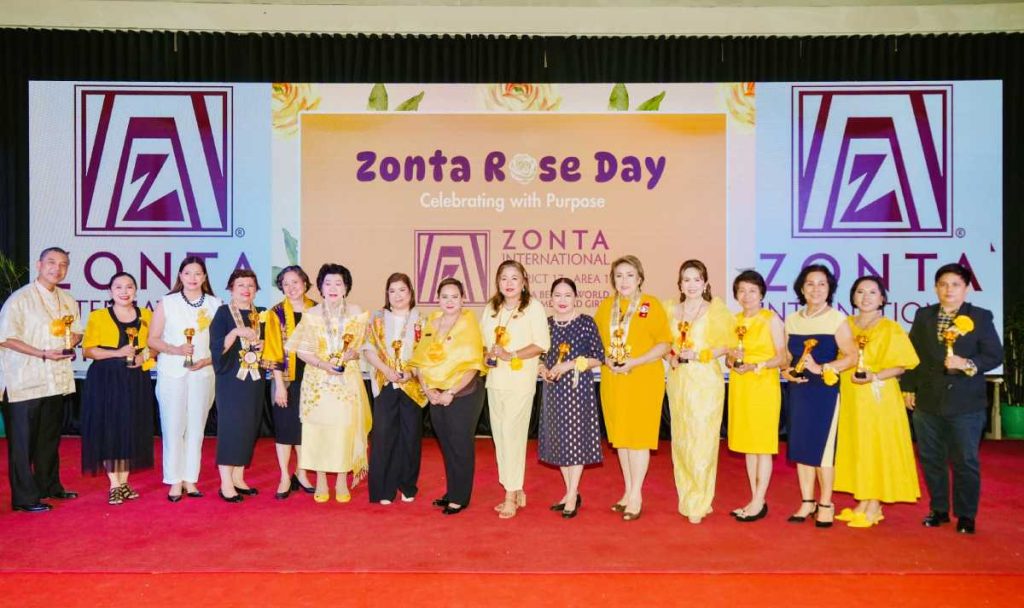
Honoring Women, Advancing the Mission The annual Zonta Rose Day was meaningfully celebrated by the Area 1 clubs, marking a day not only of recognition but of purpose-driven celebration. 💛 Highlights of the Celebration Included: 🌹 Rose Day DonationsEach club proudly presented their Rose Day contributions, reaffirming their shared commitment to service and advocacy. 🏅 Area 1 Zonta AchieversOutstanding members from each club were honored as Zonta Achievers, recognized for their dedication, impact, and leadership. 🎨 Tarpaulin Design Contest ChampionCongratulations to Zonta Club of Greater Rizal II, under the leadership of President Shirley Licup, for winning the Area 1 Tarpaulin Design Contest! Their vibrant and meaningful design captured the spirit of the event. 🎶 Launch of “A Better World with Zonta”A proud moment as President Shirley Licup presented the club’s original theme song and music video, “A Better World with Zonta”. This creative project reflects the club’s deep commitment to Zonta’s mission through music and art. 💬 Inspirational MessagesThe celebration was made even more memorable with heartfelt messages from speakers who reminded us of the power of women working together for a better world. 💐 A Day of Honor, Hope, and Empowerment Zonta Rose Day continues to be a powerful reminder of why we serve — to build a world where women are empowered and equal in all aspects of life. #ZontaRoseDay #ZontaClubGreaterRizalII #EmpoweringWomen #ABetterWorldWithZonta #ZontaAchievers #ZontaArea1 #ZontaInternational
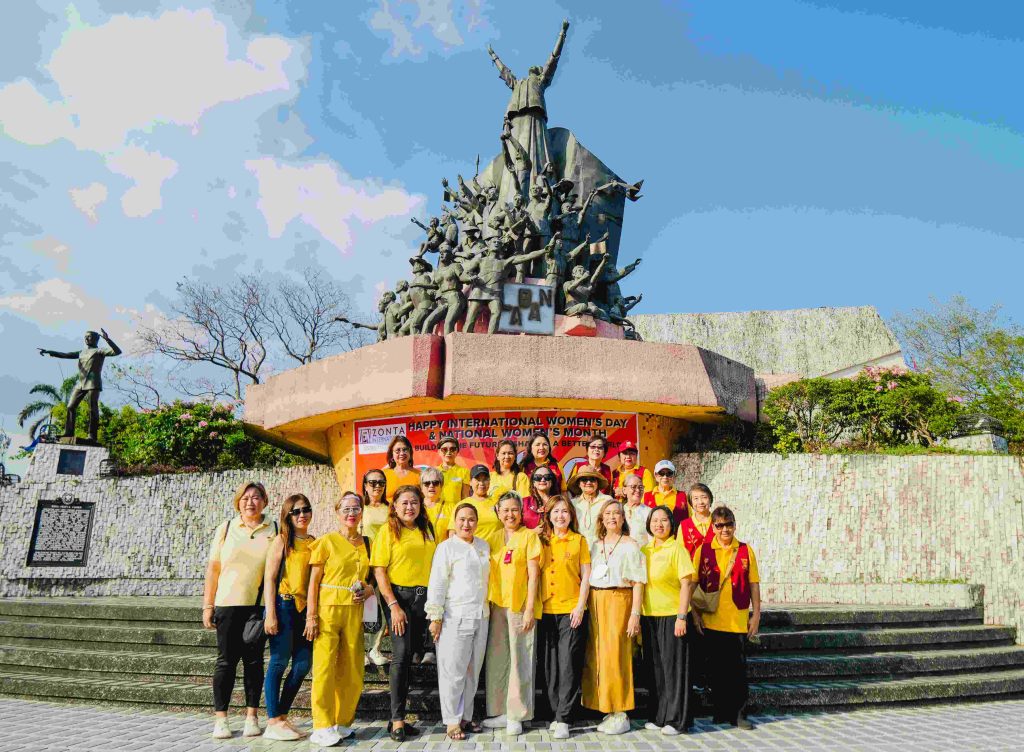
Greater Rizal II’s Winning Tarpaulin Displayed at the People Power Monument In celebration of International Women’s Month, the Area 1 Tarpaulin Design Contest spotlighted creativity with purpose — and the Zonta Club of Greater Rizal II, under the leadership of President Shirley Licup, emerged as the champion. 📍 The winning tarpaulin, a vibrant tribute to women’s strength and empowerment, was proudly displayed at the People Power Monument from March 8 to 16, 2025 — a symbolic and historic location honoring collective action and freedom. 📸 In a show of unity and pride, Area Director Rowena Plan, President Shirley Licup, fellow Area 1 presidents, and their members gathered for a photo session in front of the monument with the winning design. 🌸 Art with Impact The contest not only highlighted artistic expression but also amplified the voices of women and girls — a true celebration of Zonta’s advocacy through visual storytelling. #WomensMonth2025 #ZontaEmpowers #ZontaGreaterRizalII #TarpaulinDesignChampion #PeoplePowerMonument #InternationalWomensMonth #ZontaArea1 #CelebrateWithPurpose
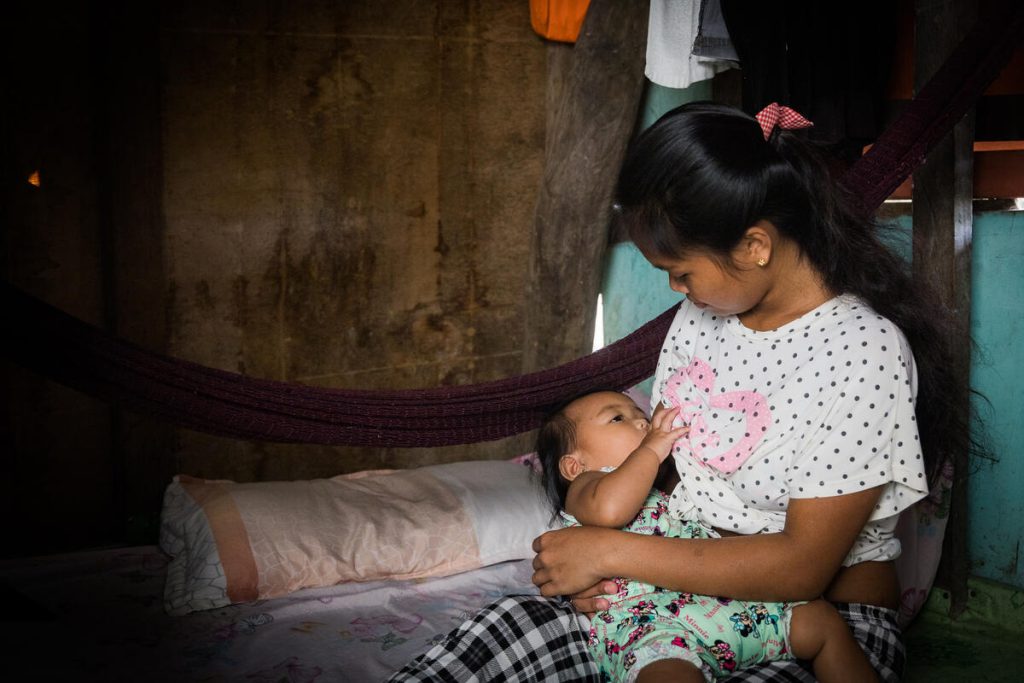
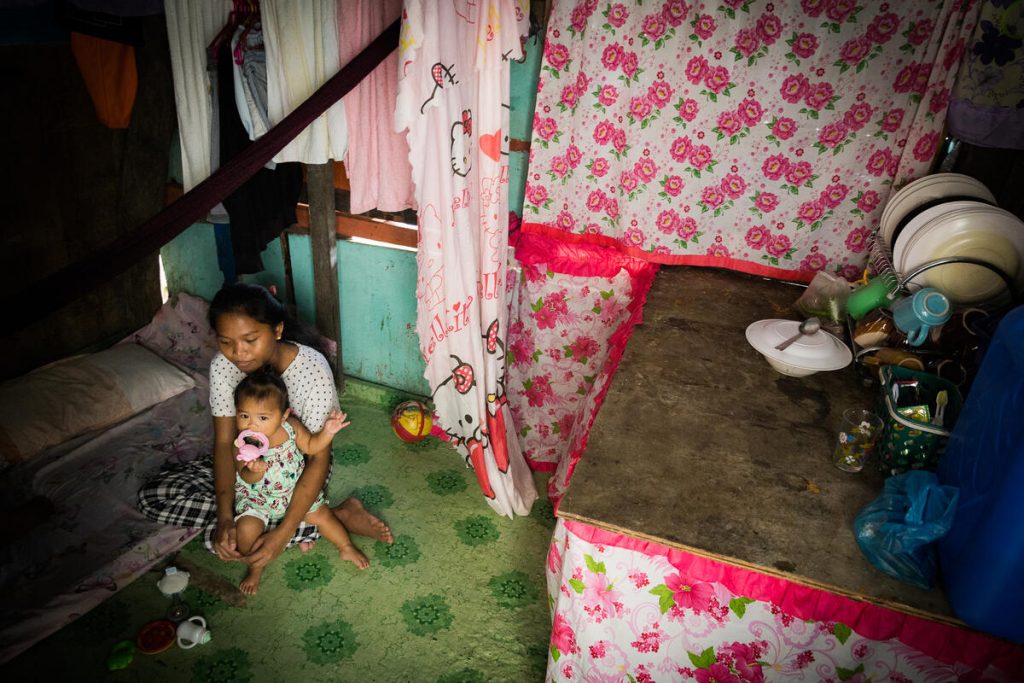
Image Source credit to World Vision Too often, the burden of adolescent pregnancy is placed on young girls, ignoring the fact that older men are frequently the cause. Changing the narrative means shifting responsibility onto those who should have it: the men pursuing relationships with underage girls. This blog explores why ending adolescent pregnancy requires men to take accountability for their actions. The Double Standard Boys are excused; girls are shamed: Society often blames teenage mothers for their pregnancies while excusing or even ignoring the role of the older men who impregnated them. Men evade responsibility: Many men abandon young mothers, forcing them into cycles of poverty and hardship. Predatory behavior is normalized: From pop culture to everyday conversations, society often brushes off relationships between older men and young girls as “normal” or “romantic.” What Men Must Do Stop idealizing the pursuit of relationships with underage girls: It is never “just a preference”—it’s exploitation. Challenge toxic peer culture: Men need to call out their peers who engage in or encourage relationships with young girls. Educate themselves and others: Understanding consent, power dynamics, and male privilege is key to breaking these harmful cycles. Legal and Policy Changes Needed Harsher penalties for statutory rape: No settlements or reduced sentences—perpetrators must face real consequences. Mandatory consent education: Boys and men must be taught from an early age what consent truly means and why power dynamics matter. Community accountability programs: Involve men in conversations about gender-based violence and adolescent pregnancy prevention. Adolescent pregnancy is not just a “women’s issue”—it’s a men’s issue too. Until we start holding men accountable for their actions, we will continue to see young girls’ futures derailed. It’s time for boys and men to step up, take responsibility, and be part of the solution, not the problem. By shifting the focus onto male responsibility, we can start dismantling the toxic cultural norms that enable adolescent pregnancy and exploitation. Sources & Citations https://newsinfo.inquirer.net/2025481/population-body-notes-alarming-trend-in-teen-pregnancies https://reliefweb.int/report/philippines/save-children-philippines-urges-senate-swiftly-pass-adolescent-pregnancy-prevention-bill https://psa.gov.ph/content/teenage-pregnancy-philippines-2016-2020 https://www.philstar.com/headlines/2025/01/12/2413696/advocates-call-better-education-laws-combat-teen-pregnancy-crisis https://oxfam.org.ph/oxfam-releases-teenage-pregnancy-study-showing-importance-accepting-pleasure-sexuality-education-among-filipinos/ https://philippines.unfpa.org/en/news/unfpa-welcomes-hor-approval-adolescent-pregnancy-bill https://www.savethechildren.net/news/jump-35-teen-pregnancies-philippines-prompts-calls-increase-sex-education-and-health-services
Image Source Credit to World Vision Teenage pregnancy in the Philippines is often framed as a result of “young love” or “poor decision-making,” but the reality is far more complex. Many of these pregnancies occur in relationships with significant age gaps, where older men exert power over younger, more vulnerable girls. According to UNFPA data, only 3% of fathers in adolescent pregnancies (15–19) are the same age as the girls they impregnate【1】. The vast majority of cases involve older men, many of whom use “verbal insistence,” “emotional blackmail,” and financial dependency to control these relationships【1】. In 2021, 59% of teen births (15–19) involved fathers over 20, revealing a systemic pattern where consent is often blurred, coerced, or absent【2】. Yet, this is not just about individual men—it’s about a societal structure that normalizes these power imbalances. Filipino culture often reinforces the idea that older men pursuing younger women is acceptable or even desirable, while also discouraging boys from learning about healthy relationships, consent, and shared responsibility. If we want real change, men and women must work together to shift these harmful norms and protect young girls. How Older Men Groom and Exploit Teenage Girls Grooming is a process where an older individual builds trust with a younger, more vulnerable person to manipulate and exploit them. Research from the Philippine Commission on Women (PCW) highlights how this process plays out in relationships between adolescent girls and much older men【3】. Some common grooming tactics include: 🔸 Framing themselves as mentors or protectors: Older men often position themselves as “guides” in a young girl’s life, offering emotional support, protection, or career advice in a way that fosters dependency. Many girls with absent or unaffectionate father figures are especially vulnerable【3】. 🔸 Using flattery and excessive attention: A study by Save the Children Philippines found that many teen girls in exploitative relationships first believed they were in love because of constant praise and validation【4】. This is a form of psychological manipulation that makes girls feel special and indebted to their abuser. 🔸 Exploiting economic hardship: Poverty plays a critical role in the adolescent pregnancy crisis. Some girls enter relationships with older men out of financial necessity, exchanging emotional or sexual relationships for food, shelter, or financial support【5】. Families in dire economic conditions may even encourage these relationships, seeing them as a form of security. The Reality of Adolescent Pregnancy in Age-Disparate Relationships When teenage girls become pregnant as a result of these power imbalances, the consequences are devastating: ⚠️ Health Risks: Girls under 15 are twice as likely to die from pregnancy-related complications compared to women in their 20s【6】. Teen mothers also face higher risks of anemia, eclampsia, and long-term reproductive health issues【6】. ⚠️ Legal Loopholes Allow Perpetrators to Escape Justice: Despite the age of consent being raised to 16 in 2022 (RA 11648), many statutory rape cases never go to trial because families settle the cases privately【7】. The Philippine National Police reported that 33% of sexual violence cases involve family members, making it even harder for victims to come forward【8】. ⚠️ Lost Opportunities: 13% of adolescent mothers drop out of school, limiting their ability to find stable jobs and contributing to cycles of poverty【9】. This doesn’t just impact young mothers—it impacts the economy, the workforce, and the next generation. The Role of Men in Breaking the Cycle Men are not just perpetrators or bystanders in this issue—they also play a critical role in stopping adolescent exploitation. Fathers, brothers, teachers, and male leaders must step up to protect young girls and dismantle harmful norms. Here’s what needs to change: 📢 Education on Coercion, Grooming, and Consent:Boys and young men must be taught to recognize manipulative behaviors and understand that healthy relationships are based on mutual respect, not power. Schools should teach about consent not just as a legal term but as an ongoing process in relationships【10】. ⚖️ Stronger Enforcement of Statutory Rape Laws:Legal settlements should not be an option for rape cases. Authorities must prioritize prosecuting offenders, ensuring that men who exploit minors face real consequences【11】. 👨👩👧 Fathers, Educators, and Role Models Must Speak Up:Research shows that boys who grow up with strong, respectful male role models are far less likely to engage in coercive behaviors【12】. Men must actively challenge “locker-room talk” and call out peers who make jokes about dating younger girls or dismiss concerns about power imbalances. 🚨 Community Accountability:Local leaders, religious groups, and organizations must stop normalizing these relationships and start creating safe spaces where young girls can report abuse without fear. Male advocacy groups can play a huge role in shifting public perception and challenging outdated cultural beliefs. Teenage Girls Deserve Protection—Not Predation For too long, the conversation around adolescent pregnancy has focused on girls’ “choices” rather than men’s responsibility. But no girl under 16 can legally consent to a relationship with an older man. The responsibility falls on society to protect her, and on men to respect her right to a future that isn’t stolen from her. If we want to end adolescent pregnancy, we must change how we talk to boys, how we raise men, and how we enforce laws that protect girls. 🚨 Read more about the reality of grooming and what we can do to stop it: 🔗 [Insert Blog Link] #EndTeenExploitation #TeachBoysRespect #ProtectFilipinaGirls Sources & Citations [1] UNFPA Philippines. (2021). Teenage Pregnancy and the Role of Older Partners in Exploitation. Retrieved from [UNFPA Website]. [2] Philippine Statistics Authority. (2023). National Demographic and Health Survey. Retrieved from [PSA Website]. [3] Philippine Commission on Women. (2024). Gender-Based Violence and the Normalization of Grooming in Age-Disparate Relationships. Retrieved from [PCW Website]. [4] Save the Children Philippines. (2023). Breaking the Silence: Adolescent Pregnancy and the Need for Stronger Protections. Retrieved from [Save the Children Website]. [5] Oxfam Philippines. (2022). Saying Yes to Whose Pleasures? The Role of Poverty in Adolescent Pregnancy. Retrieved from [Oxfam Website]. [6] World Health Organization. (2023). Adolescent Pregnancy: Health Risks and Interventions. Retrieved from [WHO Website]. [7] Republic of the Philippines. (2022). RA 11648: An Act […]
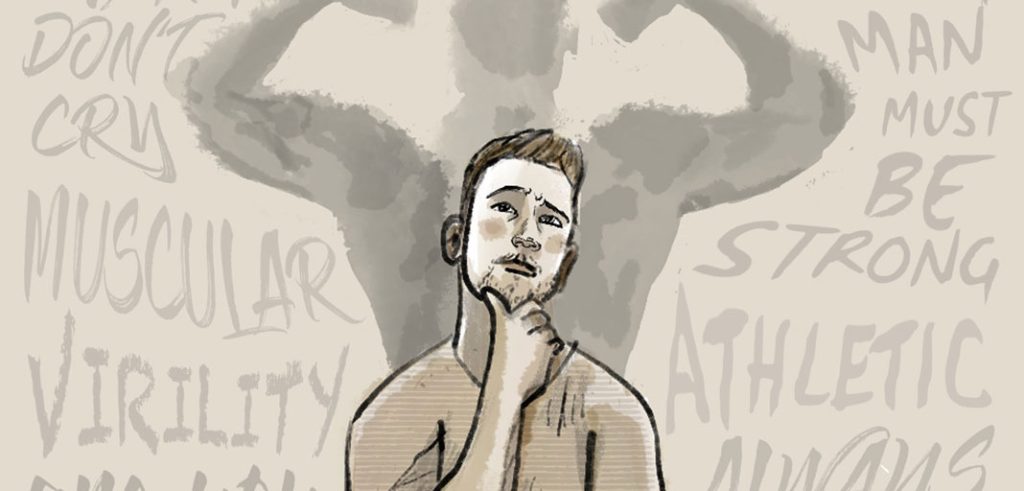
Image Source credit to Alben Huber The Philippines faces an escalating adolescent pregnancy crisis, with over 180,000 births annually among girls aged 10–19【1】. The highest rates are in economically disadvantaged regions, where young girls often lack access to education, reproductive health services, and legal protection【2】. But beyond poverty and limited resources, there is a deeper, more pervasive issue fueling this epidemic: harmful gender norms and toxic masculinity. From outdated beliefs about male dominance to the cultural acceptance of older men pursuing younger women, societal expectations continue to enable and normalize the exploitation of teenage girls. This blog explores how toxic masculinity perpetuates adolescent pregnancy and how we, as a society, can work together to create a culture where young girls are protected, empowered, and given the freedom to shape their own futures. Toxic Masculinity and Its Role in Adolescent Exploitation Toxic masculinity is not about attacking men—it is about challenging a set of cultural expectations that harm both women and men. It reinforces aggressive, dominant, and entitled behavior while discouraging emotional intelligence, respect, and accountability in relationships【3】. Three Common Harmful Beliefs That Fuel Adolescent Exploitation: 🔸 The “Purity Myth”: Many cultures idealize young women as “pure” and more desirable partners. In the Philippines, this belief subtly encourages relationships between older men and underage girls, reinforcing the false notion that younger girls make “better wives and mothers”【4】. 🔸 Power Imbalances in Relationships: Studies show that 72% of adolescent pregnancies in the Philippines involve much older men【5】. In these relationships, young girls often lack the power to negotiate consent, contraception, or say no【6】. This makes them vulnerable to coercion and control, rather than mutual partnership. 🔸 Victim-Blaming and Societal Silence: When a teenage girl becomes pregnant, society often blames her rather than the adult man who pursued her【7】. This shame-based culture discourages victims from speaking out, while men often face little to no consequences for their actions. Toxic masculinity does not just hurt women—it also traps men in outdated ideas of masculinity, where control and dominance are mistaken for strength. This is a problem that affects us all, and the solution requires everyone’s participation, not just women advocating for their rights. The Numbers Don’t Lie: What the Data Tells Us 📊 72% of adolescent pregnancies involve older men (Senate Hearings on SB 1979, 2025)【5】. 📊 3,343 girls under 15 gave birth in 2023—many impregnated by men significantly older than them【6】. 📊 Only 3% of teen pregnancies involve same-age partners, meaning most of these pregnancies happen in power-imbalanced relationships【6】. 📊 33% of sexual violence cases against children involve family members, contributing to underreported and hidden cases of adolescent pregnancy【8】. These numbers show that adolescent pregnancy is rarely about young people making “bad choices”—it is about systemic exploitation and power imbalances. How We Can Shift the Blame Where It Belongs If we want to protect young girls and prevent adolescent pregnancies, we must challenge the societal norms that excuse, enable, and normalize exploitation. Here’s how we can make a change: 📣 Stop Romanticizing Age-Gap Relationships Media, movies, and telenovelas often portray relationships between older men and younger women as “normal” or even “desirable.” This must change. We need to shift public conversations to recognize the risks and power imbalances in these relationships【9】. 📚 Teach Boys About Consent, Respect, and Healthy Masculinity Boys are rarely taught that true masculinity is about respect, not control. Schools and communities must instill in young men that relationships should be based on equality, not power【10】. Instead of shaming boys, we should be teaching them that respecting women and challenging peer pressure are signs of true strength. ⚖️ Hold Men Accountable—But Also Give Them the Tools to Be Part of the Solution Strengthen enforcement of laws against statutory rape and sexual exploitation, ensuring that perpetrators face real consequences【11】. Encourage male-led advocacy groups to call out harmful behaviors and promote healthy masculinity. Research shows that boys who grow up with strong male role models who respect women are far less likely to engage in coercive behavior【12】. 👨👩👧 Support Families in Raising Empowered Daughters Many families still pressure girls into early relationships and marriages due to financial struggles【13】. Economic empowerment programs for young women and their families can reduce reliance on predatory relationships and help girls stay in school【14】. This Is Not Just a Women’s Issue—It’s a Society-Wide Issue Ending the adolescent pregnancy crisis isn’t just about protecting girls—it’s about teaching boys to be part of the solution, holding men accountable, and shifting harmful cultural norms that hurt everyone. We all have a role to play: ✅ Parents: Educate both sons and daughters about consent, healthy relationships, and respect. ✅ Men and Boys: Speak out when you see peers engaging in harmful behavior. Challenge sexist jokes, predatory attitudes, and outdated gender norms. ✅ Teachers and Schools: Implement comprehensive, age-appropriate education on consent, power dynamics, and reproductive health. ✅ Lawmakers and Law Enforcers: Strengthen and consistently enforce protections against statutory rape and child exploitation. ✅ Media and Influencers: Stop romanticizing age-gap relationships and start promoting positive, equal partnerships. The adolescent pregnancy crisis will not be solved by blaming girls. We must shift the conversation towards accountability, respect, and empowerment. Sources & Citations [1] UNFPA Philippines. (2021). Teenage Pregnancy and the Role of Older Partners in Exploitation. Retrieved from [UNFPA Website]. [2] Philippine Statistics Authority. (2023). National Demographic and Health Survey. Retrieved from [PSA Website]. [3] MenEngage Alliance. (2023). Redefining Masculinity: Teaching Boys to Be Advocates for Gender Equality. Retrieved from [MenEngage Website]. [4] Oxfam Philippines. (2022). Saying Yes to Whose Pleasures? The Role of Cultural Norms in Adolescent Pregnancy. Retrieved from [Oxfam Website]. [5] Senate Hearings on SB 1979. (2025). Legislative Review on Adolescent Pregnancy Prevention and Male Responsibility. Retrieved from [Senate Website]. [6] Philippine Commission on Women. (2024). Gender-Based Violence and the Normalization of Grooming in Age-Disparate Relationships. Retrieved from [PCW Website]. [7] Save the Children Philippines. (2023). Breaking the Silence: Adolescent Pregnancy and the Need for Stronger Protections. Retrieved from [Save the Children Website]. [8] Philippine National Police. (2023). Annual […]