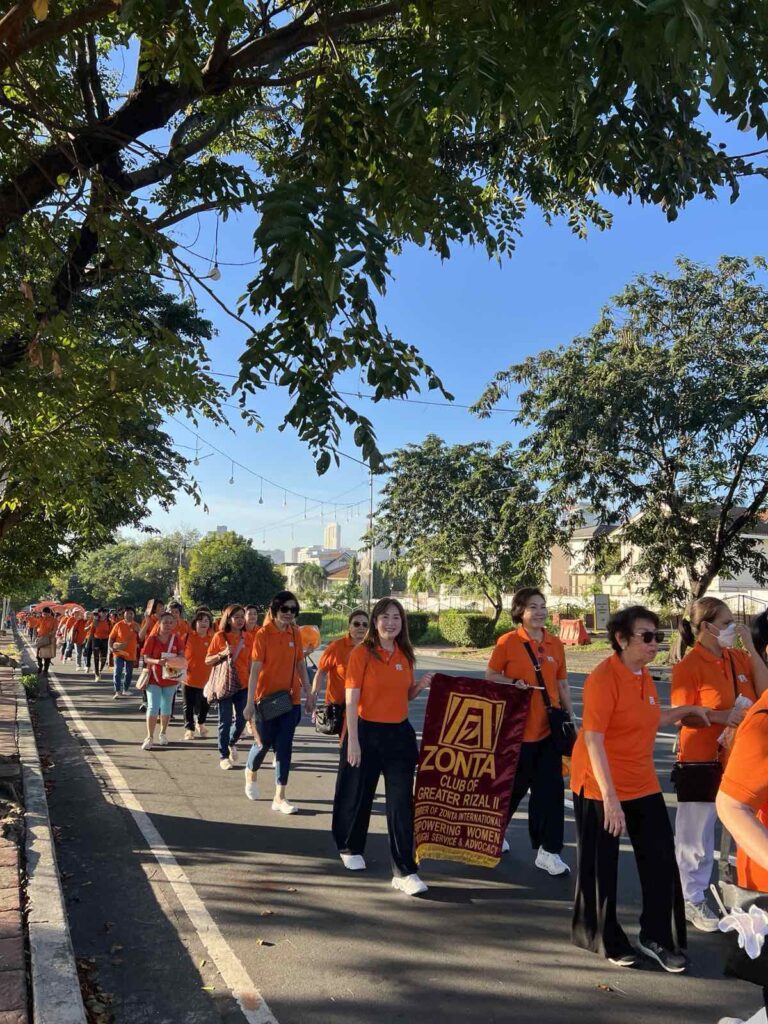
At Zonta Club of Greater Rizal II, we stand firmly against the pervasive issue of street harassment, which continues to undermine the safety, dignity, and rights of women and girls in the Philippines. Despite legal protections like the Safe Spaces Act, cultural attitudes and normalized behaviors perpetuate an environment where harassment is dismissed as trivial or even flattering. As we march in the streets for women’s equality—streets that, for many women, symbolize fear and harassment—we reaffirm our commitment to saying NO to discrimination and unsafe spaces for women and girls. The Prevalence of Street Harassment The statistics on street harassment in the Philippines reveal a troubling reality: 88% of women aged 18-24 reported experiencing sexual harassment at least once in their lives, according to a Social Weather Stations (SWS) survey. This figure highlights the alarming scale of the issue, especially in urban areas【1】【5】. A separate study found that three out of five women in Quezon City have experienced harassment such as catcalling, stalking, and groping. Among young women, the prevalence rises to a staggering 88%【1】【5】. Since the Safe Spaces Act was enacted, the Philippine National Police (PNP) has documented over 12,492 incidents of violence and harassment against women in less than three years—a sobering reminder of the ongoing battle for safe public spaces【1】. Why Zonta Says NO Street harassment is not a compliment or a joke—it is a form of violence that perpetuates fear, limits women’s freedom, and undermines their rights. By trivializing such acts, society places the burden on women to endure, dismiss, or avoid harassment, rather than addressing the behaviors of perpetrators. At Zonta Club of Greater Rizal II, we march because: We refuse to normalize harassment. Catcalling, stalking, and groping are not trivial actions; they are violations of personal boundaries and safety. We demand safe spaces for women and girls. Public spaces should be places of opportunity, not fear. We advocate for accountability. Laws like the Safe Spaces Act are critical, but societal change is equally important to ensure enforcement and challenge harmful cultural norms. The Streets Are for Everyone As we marched in solidarity for women’s equality, we walked the same streets where many women face daily harassment. This juxtaposition serves as a powerful reminder of why our advocacy is so crucial. Women deserve to feel safe in every space they occupy—whether walking to work, commuting, or simply living their lives. Building a Future Without Fear To create truly safe spaces for women and girls, we must: Raise Awareness: Start conversations about the harmful impact of harassment and challenge its normalization. Empower Women: Support victims of harassment, encouraging them to speak out and seek justice. Engage Communities: Promote respect and accountability through education and dialogue. Through Zonta’s Zonta Says NO to Violence Against Women campaign, we are amplifying the voices of women and girls and advocating for a future free from fear and harassment. Together, we can foster a society where public spaces are safe, equitable, and inclusive for everyone. Join Us in Saying NO The fight for safe spaces and gender equality requires collective action. Let’s work together to ensure that women and girls can walk the streets with confidence, knowing their rights are protected and respected. 📸 View photos of Zonta Club of Greater Rizal II marching for equality in the streets we aim to reclaim as safe spaces for all women and girls. Citations: [1] https://philarchive.org/archive/PAGDOC [2] https://stopstreetharassment.org/resources/statistics/statistics-academic-studies/ [3] https://www.reddit.com/r/Philippines/comments/z251ll/body_shaming/ [4] https://www.philstar.com/the-freeman/cebu-entertainment/2024/12/02/2404462/could-recent-controversies-finally-spark-metoo-movement-philippines [5] https://asiapacific.unwomen.org/en/news-and-events/stories/2016/06/using-technology-to-address-sexual-harassment-of-women-in-public-places [6] https://serp-p.pids.gov.ph/publication/public/view?slug=manila-philippines [7] https://eprajournals.com/IJMR/article/11654/download
Author Archives: Cama Anthony
Over the past five years, Zonta International has championed the fight against gender-based violence (GBV) and child marriage, particularly in the Philippines. Through its advocacy efforts and the annual 16 Days of Activism Against Gender-Based Violence, Zonta has achieved significant milestones, fostering social change and legislative progress to protect women and children globally and locally. Key Milestones in Combating GBV 1. The 16 Days of Activism Campaign The 16 Days of Activism Against Gender-Based Violence, which runs from November 25 (International Day for the Elimination of Violence Against Women) to December 10 (Human Rights Day), has been a central platform for Zonta’s advocacy. 2020: The Zonta Club of the Philippines, led by Zonta Cebu, led the campaign with initiatives addressing child marriage, advocating for the Girls Not Brides Bill. This legislative effort aimed to address the alarming prevalence of child marriage, as the Philippines remains among the top countries globally for child brides . 2022–2023: Zonta Clubs continued their advocacy, emphasizing the importance of legislation prohibiting child marriage. They expanded their campaigns to include support initiatives, such as blood donation drives for GBV survivors and educational summits for youth empowerment . 2. Legislative Advocacy Against Child Marriage Zonta Philippines has worked tirelessly to promote legislative changes aimed at ending child marriage: Promotion of the Girls Not Brides Bill: This bill advocates for a minimum marriage age of 18 years without exceptions. Zonta’s efforts have included lobbying local government units, organizing forums, and conducting educational seminars to raise awareness of the dangers of child marriage . Collaboration with NGOs and Government Agencies: Zonta partnered with UNICEF and other organizations to strengthen community-based programs that educate families about the negative impacts of early marriage on girls’ health, education, and safety. These partnerships have reinforced national campaigns like Zonta Says NO to Violence Against Women . 3. Community Awareness and Social Change Initiatives Through its local clubs, Zonta Philippines has implemented numerous programs to foster awareness and societal transformation: Youth Engagement and Educational Seminars: Initiatives like the “EmpowerHER” summit in 2021 brought together over 160 young participants to discuss the long-term impacts of child marriage and GBV, empowering them with knowledge about their rights . Mental Health and Children’s Rights Workshops: Zonta Clubs have also conducted workshops to address mental health issues, promoting resilience among vulnerable communities while highlighting the intersection of mental health and GBV prevention . Social Media Advocacy: Clubs have leveraged online platforms to amplify their message, engaging younger audiences and encouraging wider community participation in their campaigns . Global Collaboration Zonta International’s commitment to ending GBV extends beyond the Philippines. Their global collaboration with UNICEF focuses on addressing child marriage in countries like Nepal and promoting educational and policy-driven solutions to this persistent issue . This global perspective complements the localized efforts of Zonta Clubs in the Philippines, creating a unified strategy to end GBV. Impact of Zonta’s Efforts Zonta International’s initiatives have achieved significant outcomes in combating GBV and child marriage: Increased Awareness: Zonta’s campaigns have sparked critical discussions around women’s rights and empowerment, particularly in communities where GBV and child marriage are prevalent. Legislative Influence: Advocacy for laws like the Girls Not Brides Bill has drawn national attention, catalyzing progress in protecting young girls from early marriage and domestic violence. Strengthened Community Engagement: Events like educational summits, blood drives, and barangay recognition programs have galvanized collaboration among local governments, NGOs, and community members. Since the inception of our 16 Days of Advocacy, Zonta Club of the Philippines has been spearheading major changes when it comes to the rights of women and girls in the Philippines. Now on our fifth year, we continue raising the call for changes to keep being made in order to safeguard Women and Girls. No one should be left behind, and we invite everyone to join us in continuing the fight! Citations: Zonta Club of Cebu II’s GBV Advocacy Zonta International’s Collaboration with UNICEF Zonta’s Campaigns Against GBV Zonta Club of Central Tuguegarao’s Activities
As part of Zonta International’s mission, Zonta Club of Greater Rizal II places a strong emphasis on United Nations’ Sustainable Development Goal #5 (SDG #5): Gender Equality, recognizing it as one of the most crucial areas where significant progress is still needed. The club’s ongoing advocacy focuses on addressing key challenges Filipino women and girls face, highlighted by startling statistics across various sectors in the country. One of the most alarming issues is teen pregnancy. The Philippines has seen a 35% rise in live births among girls aged 15 and under, from 2,320 in 2021 to 3,135 in 2022[1][2]. Around 10% of girls aged 15-19 are already mothers, which can have severe consequences on their health and restrict their educational opportunities[5]. This troubling trend demonstrates the urgent need for comprehensive sex education and better access to reproductive health services. However, restrictive laws requiring parental consent for contraceptive access in adolescents further complicate efforts to address this issue[1]. The challenge of child marriage also remains pressing. 9% of Filipino girls marry before the age of 18, and 2% before 15, placing the Philippines as the 10th highest country globally for the absolute number of child brides, affecting 808,000 girls[5]. Child marriage not only violates the rights of girls but also contributes to the cycle of poverty, gender inequality, and adolescent pregnancy. Zonta Club of Greater Rizal II remains deeply committed to advocating for reforms that will put an end to these practices, which are often rooted in cultural norms and poverty. Another urgent concern is violence against women, with 17.5% of Filipino women aged 15-49 experiencing physical, sexual, or emotional abuse by intimate partners[4]. In 2021, 8,399 incidents of physical violence and 1,791 cases of rape were recorded, though these numbers likely represent just a fraction of actual cases, as many incidents go unreported due to stigma and lack of trust in the justice system[4]. Street harassment also contributes to the overall climate of fear and insecurity for women. While specific statistics are scarce, it remains a prevalent issue that affects women’s freedom of movement and sense of safety. Despite these challenges, there have been some improvements. The Philippines ranked 16th out of 146 countries in the 2023 Global Gender Gap Index, showing progress in gender equality[3]. However, gaps persist, particularly in political empowerment and economic participation, with scores of 0.409 and 0.789, respectively[3]. Furthermore, 99.5% of Filipinos still hold biases against women, according to the UNDP’s Gender Social Norms Index, indicating deep-seated cultural attitudes that continue to slow progress[3]. These sobering statistics underscore why Zonta Club of Greater Rizal II’s work is so critical. Gender equality remains a distant goal without significant and sustained efforts. The club continues to collaborate with local and international organizations, pushing for reforms that empower women and girls. Through education, advocacy, and community programs, Zonta works to create a future where every girl can live free from violence, marry by choice, and pursue her dreams unhindered by societal constraints. By shining a light on these issues, Zonta Greater Rizal II aligns with SDG #5, ensuring that gender equality remains at the forefront of their mission. The club stands firm in its belief that when women and girls thrive, communities prosper, and the nation as a whole moves closer to achieving true equality. Citations: [1] https://www.savethechildren.net/news/jump-35-teen-pregnancies-philippines-prompts-calls-increase-sex-education-and-health-services [2] https://www.pna.gov.ph/articles/1218253 [3] https://www.pids.gov.ph/details/news/in-the-news/philippines-improves-in-2023-world-gender-equality-ranking [4] https://pcw.gov.ph/violence-against-women/ [5] https://www.girlsnotbrides.org/learning-resources/child-marriage-atlas/regions-and-countries/philippines/
October 11, 2025 | Zonta Club of Greater Rizal’s International Day of the Girl Child: Addressing the Challenges Facing Girls in the Philippines The International Day of the Girl Child, observed every year on October 11, is a reminder to reflect on the unique challenges that girls face globally. In the Philippines, these challenges are exacerbated by issues such as child exploitation, underage pregnancies, and access to education, all of which disproportionately affect young girls. By raising awareness and taking action, we can ensure that every girl is given the opportunity to thrive. Child Exploitation and Online Sexual Abuse The Philippines has unfortunately become a global hotspot for online sexual exploitation of children (OSEC). Studies show that 80% of Filipino children are vulnerable to online sexual abuse or bullying, with many cases involving the exploitation of minors for live-streamed sexual content. The COVID-19 pandemic significantly worsened this issue, as economic hardships led some families to participate in online trafficking to survive. Underage Pregnancies and Sexual Violence The teenage pregnancy rate in the Philippines remains high, with a 35% increase in live births among girls aged 15 and below from 2021 to 2022. Girls under 18 face significant barriers to accessing sexual health services due to legal restrictions, further complicating their ability to protect themselves from unintended pregnancies. These pregnancies not only put girls at greater risk of health complications but also limit their future educational and economic opportunities. Educational Disparities Despite strides in education, economic pressures often force young girls to drop out of school to help support their families. The COVID-19 pandemic further disrupted education for girls, with many lacking the resources to participate in remote learning. This gap in education has long-term consequences for their future potential, making it difficult for them to break the cycle of poverty and inequality. Zonta Club of Greater Rizal II: Ensuring No Girl Is Left Behind At Zonta Club of Greater Rizal II, we are committed to rewriting the narrative for girls in the Philippines. We believe that women’s rights are human rights, and we are dedicated to empowering young girls through advocacy, education, and support programs. Our work aligns with Sustainable Development Goal 5 to achieve gender equality and ensure that no woman or girl is left behind. We promise to continue raising our voices and taking action to nurture the dreams and potential of girls across the country, so they can realize a sustainable, equitable future for generations to come. ADDITIONAL READING: [1] https://www.gmanetwork.com/news/topstories/nation/896654/cpd-under-15-pregnancies-surged-in-2022/story/ [2] https://www.worldvision.org.ph/end-child-marriage-2020/ [3] https://www.savethechildren.net/news/jump-35-teen-pregnancies-philippines-prompts-calls-increase-sex-education-and-health-services [4] https://www.pids.gov.ph/details/news/in-the-news/philippines-improves-in-2023-world-gender-equality-ranking [5] https://pcw.gov.ph/education/ [6] https://www.pnri.dost.gov.ph/images/GADCorner/Fact-Sheet-on-Filipino-Women-and-Men-2023.pdf [7] https://reproductiverights.org/philippines-decriminalizes-adolescent-sexual-activity/ [8] https://philippines.unfpa.org/en/news/maguindanao-youth-spearhead-campaign-against-child-marriage [9] https://psa.gov.ph/content/teenage-pregnancy-declined-86-percent-2017-54-percent-2022 [10] https://psa.gov.ph/content/education-women-and-men [11] https://reproductiverights.org/philippines-criminalizes-child-marriage/ [12] https://www.philstar.com/headlines/2023/03/22/2253599/us-report-philippines-still-struggling-protect-children-sexual-abuse [13] https://psa.gov.ph/content/literacy-rate-and-educational-attainment-among-persons-five-years-old-and-over-philippines
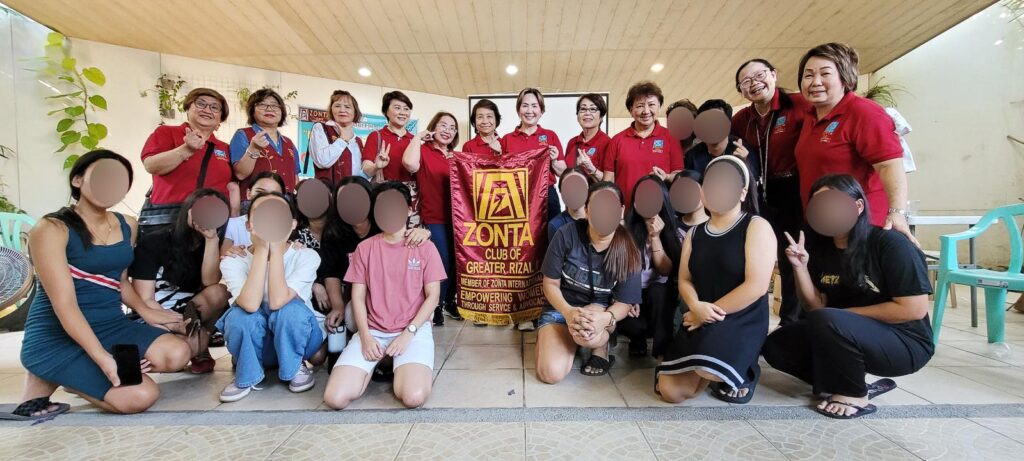
The fight against sexual exploitation and human trafficking is an uphill battle, but one that Zonta Club of Greater Rizal II (ZRGRII) has committed to with unwavering determination. Since August 2024, ZRGRII has been in partnership with Wipe Every Tear, a non-profit organization dedicated to empowering women trapped in prostitution and helping them rebuild their lives with dignity. This meaningful collaboration began with a therapeutic art workshop, where women learned to paint on canvas bags. For many, this workshop was more than just an introduction to a new skill—it was a first step toward reclaiming their sense of self-worth and finding creative expression after enduring trauma. The event served as a safe space for healing and connection, reinforcing that art can be a powerful medium for empowerment and transformation. The Prevalence of Exploitation in the Philippines The importance of initiatives like this cannot be overstated when we examine the stark realities surrounding sexual exploitation in the Philippines. A recent UNICEF report reveals harrowing statistics, painting a grim picture of the situation many women and children face: 800,000 women and girls in the Philippines are currently involved in prostitution despite its illegality【1】【5】. In 2022 alone, 471,416 Filipino children were trafficked for the production of child sexual exploitation materials (CSEM), equating to approximately 1 in 100 children being victimized【4】【5】. Victims of sexual exploitation are often as young as 10 years old, with the majority coming from impoverished backgrounds【2】【3】. The increasing prevalence of online sexual exploitation, coupled with the socioeconomic fallout from natural disasters like Typhoon Haiyan in 2013, has made women and children even more vulnerable. Between 2013 and 2015, regions impacted by Typhoon Haiyan reported 670 trafficking cases, showcasing how desperation can fuel exploitation【3】. Hope and Empowerment Through Partnerships Wipe Every Tear works tirelessly to combat these statistics by offering women safe refuge, access to education, and livelihood opportunities. Their initiatives align with Zonta’s mission to uplift women worldwide, making this partnership a natural extension of Zonta Greater Rizal II’s advocacy. The therapeutic art workshop is just one example of how ZRGRII and Wipe Every Tear are empowering survivors of exploitation. Through programs like these, participants are equipped not just with skills but with a renewed sense of hope and confidence to take control of their lives. Art as a Catalyst for Change The canvas bags painted during the workshop serve as more than just products—they are symbols of resilience and transformation. They represent the women’s journeys from being victims of systemic violence to individuals who are capable, talented, and deserving of brighter futures. Zonta Greater Rizal II understands that healing and empowerment require more than just awareness; they demand action. Through creative and impactful programs, the club continues to stand in solidarity with survivors, proving that collective efforts can make a significant difference. The Way Forward ZRGRII calls on everyone to join in the fight against sexual exploitation. With an estimated 878 trafficking convictions from 2003 to 2023【2】【4】, the road ahead may be long, but every step forward counts. Partnerships like the one with Wipe Every Tear highlight that solutions exist, and they begin with compassion, collaboration, and commitment. Together, we can create a future where no woman or child is subjected to exploitation. Programs that offer healing, empowerment, and opportunities for sustainable livelihoods are essential to breaking the cycle of poverty and exploitation in the Philippines. Sources: UNICEF Report (2024) Wipe Every Tear Press Kit (2020) [1] AWO International [2] Cameleon Association [3] Context.News [4] IJM Philippines [5] Exodus Road
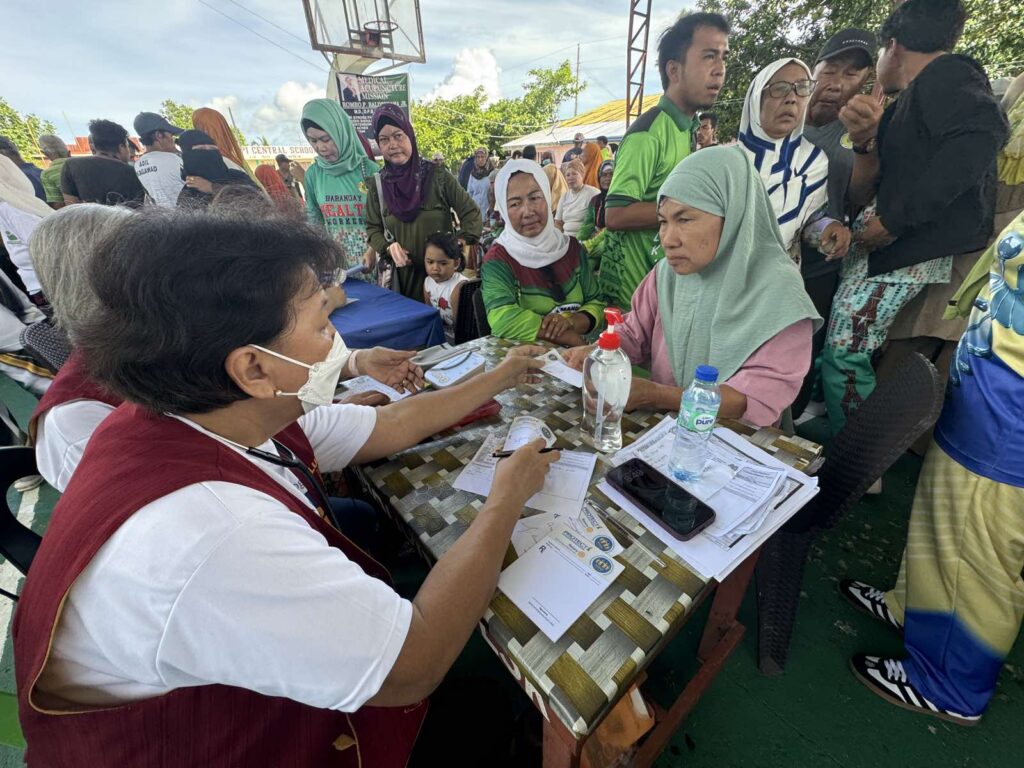
Women’s health has long been a central focus for Zonta Club of Greater Rizal II (ZCGR2). For years, the club’s flagship project has been its Cancer Clearance Test for Women, a program designed to raise awareness and provide preventive health screenings for diseases that disproportionately affect women. In particular, uterine and ovarian cancer are silent threats that often go undetected until they have reached advanced, life-threatening stages. The Prevalence and Danger of Uterine and Ovarian Cancer Worldwide, uterine and ovarian cancers are among the deadliest forms of cancer affecting women. According to the World Health Organization (WHO), uterine cancer ranks as the sixth most common cancer among women globally, with ovarian cancer following closely behind as the eighth. In the Philippines, these cancers represent a significant health concern due to low awareness and limited access to healthcare, especially in underserved areas. Uterine cancer, which affects the lining of the uterus, and ovarian cancer, which starts in the ovaries, can both be fatal if not detected early. While uterine cancer is often associated with abnormal bleeding, ovarian cancer is notoriously difficult to diagnose early due to its subtle symptoms. As a result, ovarian cancer is often discovered only when it has already spread, making it far more difficult to treat. The statistics are sobering: Uterine cancer claims tens of thousands of lives worldwide each year, with approximately 417,000 new cases diagnosed annually. Ovarian cancer, due to its later-stage diagnosis, is particularly deadly, causing around 207,000 deaths globally each year. The Importance of Preventive Health Screenings Given the prevalence and lethality of these cancers, early detection is crucial. This is where ZCGR2’s Cancer Clearance Test project steps in. From the very start, the Zonta Club has focused on educating women and young girls about their health, offering free or low-cost cancer screenings that can help save lives by catching the disease in its earliest stages. The Cancer Clearance Test follows a comprehensive and community-centered approach that ensures women receive essential education and screening. Here’s what a typical event looks like: Step 1: Women’s Health Education The first part of the event is an informative session aimed at empowering women with knowledge about their own bodies. During this session, women learn about: Women’s health basics, including how female physiology differs from male anatomy. Understanding their fertile period and how to recognize the signs of ovulation. The roles of the two main female hormones, estrogen and progesterone, and how they regulate the menstrual cycle. The benefits and risks of various artificial birth control methods, including pills, injectables, condoms, and IUDs. Natural family planning methods and even how to increase the likelihood of conceiving a male or female child—always a popular topic! Step 2: Bilateral Breast Examination Next, trained healthcare professionals conduct a bilateral breast examination to detect any abnormal masses or signs of breast cancer. This crucial screening can help identify early signs of breast cancer, another common and potentially fatal disease. Step 3: Speculum Examination and Pap Smear The third step involves a speculum examination, where the cervix is visualized, and a sample is taken for a Pap smear. This simple yet essential test can detect abnormal cell changes that may indicate cervical cancer. The examination also includes an internal check to assess for any potential uterine or ovarian masses, which could signal the presence of cancer in these areas. Step 4: Women’s Hygiene and Folklore Counseling Finally, after the physical examinations, women receive counseling on proper hygiene, particularly on how to clean themselves effectively to prevent infections. In some cases, discussions also cover traditional Filipino folklore, such as the belief that women should avoid bathing during menstruation. This conversation helps dispel myths and replace them with science-backed health advice. The Bigger Picture: Preventing Uterine and Ovarian Cancer ZCGR2’s Cancer Clearance Test is about more than just screening—it’s about building a culture of health awareness. By educating women about their bodies and providing access to life-saving tests, Zonta Club is empowering them to take control of their health and well-being. Why is this important? For many women in the Philippines, particularly those in rural or underserved communities, routine cancer screenings are often out of reach. Lack of awareness, cultural taboos, and financial limitations can prevent women from seeking the care they need. Through projects like this, Zonta aims to bridge these gaps by bringing vital health services directly to those who need them most. The Impact of Early Detection Early detection can make a world of difference. When cancers like uterine and ovarian cancer are caught in their early stages, the chances of successful treatment are significantly higher. Zonta Club’s project not only helps in early identification but also emphasizes the importance of regular health check-ups, family planning education, and women’s hygiene—vital components in overall women’s health. Join Us in Empowering Women’s Health ZCGR2 is committed to continuing its efforts to improve women’s health across the Philippines. Whether through cancer screenings, educational campaigns, or collaborative projects, we believe that informed women are empowered women. **By raising awareness and providing access to preventive healthcare, we can help reduce the devastating impact of diseases like uterine and ovarian cancer.** Together, we can create a healthier, stronger future for women.